


SMT Feeders and Accessories: Creating a High-Speed and Stable Feeding Solution
Release Time : 2025-11-06
In modern electronics manufacturing, surface mount technology (SMT) has become a core process for producing high-density, high-reliability electronic products. As a key component of SMT production lines, SMT feeders and accessories not only directly affect mounting efficiency and accuracy but also determine the stability and flexibility of the entire line. With the surge in demand for miniaturized, highly integrated components from industries such as 5G communications, automotive electronics, and smart wearables, traditional feeding methods are no longer sufficient to meet the requirements of high-speed, high-precision, and multi-variety production. Therefore, the industry is comprehensively upgrading feeder systems by incorporating cutting-edge technologies to build a new generation of high-speed and stable intelligent feeding solutions.
1. High-Precision Mechanical Structure Ensures Continuous and Stable Feeding
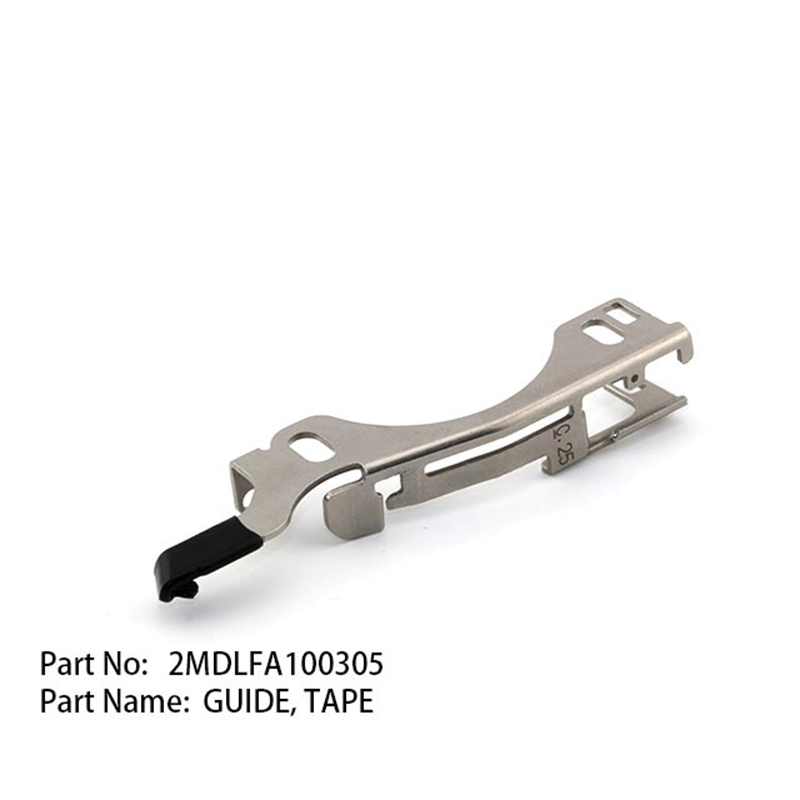
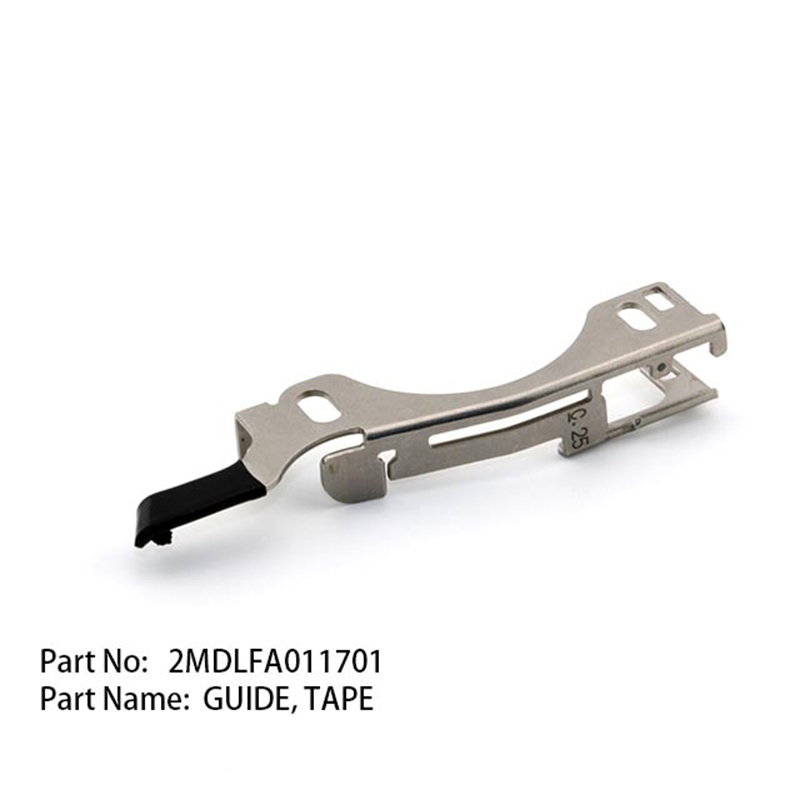
Modern SMT feeders generally adopt modular and standardized designs, with their core being a precise tape feeding mechanism and positioning system. Taking an electric intelligent feeder as an example, a servo motor drive combined with a high-resolution encoder achieves a carrier tape stepping accuracy of ±0.01mm, effectively avoiding nozzle pickup failures or component misalignment caused by feeding deviations. Meanwhile, the optimized pressure roller and guide rail structure is compatible with ultra-small packaged components such as 0201 and 01005, maintaining stable conveyor belt transport even at high speeds and eliminating abnormalities such as jamming and skipping. Furthermore, the application of anti-static materials and grounding design significantly reduces losses caused by electrostatic adsorption of tiny components during feeding.
2. Intelligent Identification and Automatic Calibration Improve Changeover Efficiency
Faced with the trend of flexible production with multiple varieties and small batches, rapid changeover capability has become an important indicator of the advancement of the feeding system. The new generation of feeders integrates RFID chips or QR code recognition technology, which can automatically read tray information and link with the MES system in real time, achieving "plug-and-play" feeding. Some high-end models are also equipped with a vision-assisted positioning system, which automatically calibrates the position when installing the feeder, reducing human intervention errors. Combined with intelligent material carts and automatic feeding tables, the overall changeover time can be reduced by more than 50%, significantly improving the overall efficiency of the equipment.
3. Condition Monitoring and Predictive Maintenance Ensure Long-Term Reliable Operation
To meet the stringent requirements of 24/7 continuous production, modern feeders are gradually incorporating IoT and edge computing technologies. Built-in sensors monitor key parameters such as motor current, feed frequency, and belt tension in real time, transmitting this data wirelessly to the central control system. Based on big data analysis, the system can provide early warnings of potential faults, triggering preventative maintenance commands and avoiding sudden downtime. This shift from "passive maintenance" to "predictive maintenance" significantly extends feeder lifespan and reduces maintenance costs.
4. Diverse Accessory System Supports All-Scenario Applications
In addition to standard tape and reel feeders, SMT feeding systems also cover various feeding methods such as tube feeding, tray feeding, and loose material vibratory feeders, meeting the diverse packaging requirements of QFP, BGA, and irregularly shaped components. Supporting accessories such as intelligent racks, automatic receiving machines, and empty material detection devices further enhance the feeding ecosystem. For example, automatic feeding machines can seamlessly splice two rolls of carrier tape without stopping the machine, achieving continuous production with "zero interruptions"; while empty material sensors use photoelectric or image recognition technology to accurately determine the remaining material, preventing placement errors caused by material shortages.
In summary, SMT feeders and accessories have evolved from traditional mechanical feeding devices into high-tech subsystems integrating precision engineering, intelligent sensing, and data interconnection. By integrating cutting-edge technologies such as high-precision transmission, intelligent recognition, status monitoring, and flexible adaptation, modern feeding solutions not only achieve the dual goals of "high speed" and "stability," but also lay a solid foundation for electronics manufacturing companies to move towards intelligent manufacturing.
1. High-Precision Mechanical Structure Ensures Continuous and Stable Feeding
Modern SMT feeders generally adopt modular and standardized designs, with their core being a precise tape feeding mechanism and positioning system. Taking an electric intelligent feeder as an example, a servo motor drive combined with a high-resolution encoder achieves a carrier tape stepping accuracy of ±0.01mm, effectively avoiding nozzle pickup failures or component misalignment caused by feeding deviations. Meanwhile, the optimized pressure roller and guide rail structure is compatible with ultra-small packaged components such as 0201 and 01005, maintaining stable conveyor belt transport even at high speeds and eliminating abnormalities such as jamming and skipping. Furthermore, the application of anti-static materials and grounding design significantly reduces losses caused by electrostatic adsorption of tiny components during feeding.
2. Intelligent Identification and Automatic Calibration Improve Changeover Efficiency
Faced with the trend of flexible production with multiple varieties and small batches, rapid changeover capability has become an important indicator of the advancement of the feeding system. The new generation of feeders integrates RFID chips or QR code recognition technology, which can automatically read tray information and link with the MES system in real time, achieving "plug-and-play" feeding. Some high-end models are also equipped with a vision-assisted positioning system, which automatically calibrates the position when installing the feeder, reducing human intervention errors. Combined with intelligent material carts and automatic feeding tables, the overall changeover time can be reduced by more than 50%, significantly improving the overall efficiency of the equipment.
3. Condition Monitoring and Predictive Maintenance Ensure Long-Term Reliable Operation
To meet the stringent requirements of 24/7 continuous production, modern feeders are gradually incorporating IoT and edge computing technologies. Built-in sensors monitor key parameters such as motor current, feed frequency, and belt tension in real time, transmitting this data wirelessly to the central control system. Based on big data analysis, the system can provide early warnings of potential faults, triggering preventative maintenance commands and avoiding sudden downtime. This shift from "passive maintenance" to "predictive maintenance" significantly extends feeder lifespan and reduces maintenance costs.
4. Diverse Accessory System Supports All-Scenario Applications
In addition to standard tape and reel feeders, SMT feeding systems also cover various feeding methods such as tube feeding, tray feeding, and loose material vibratory feeders, meeting the diverse packaging requirements of QFP, BGA, and irregularly shaped components. Supporting accessories such as intelligent racks, automatic receiving machines, and empty material detection devices further enhance the feeding ecosystem. For example, automatic feeding machines can seamlessly splice two rolls of carrier tape without stopping the machine, achieving continuous production with "zero interruptions"; while empty material sensors use photoelectric or image recognition technology to accurately determine the remaining material, preventing placement errors caused by material shortages.
In summary, SMT feeders and accessories have evolved from traditional mechanical feeding devices into high-tech subsystems integrating precision engineering, intelligent sensing, and data interconnection. By integrating cutting-edge technologies such as high-precision transmission, intelligent recognition, status monitoring, and flexible adaptation, modern feeding solutions not only achieve the dual goals of "high speed" and "stability," but also lay a solid foundation for electronics manufacturing companies to move towards intelligent manufacturing.