


What role do SMT feeders and accessories play in reducing component jamming and misalignment?
Release Time : 2026-03-24
SMT feeders and accessories play a crucial role in improving placement efficiency and ensuring product quality. Component jamming, misalignment, or dropping are common problems affecting placement accuracy and production efficiency. Advanced SMT feeders and accessories, through optimized design and precise control, effectively reduce these problems, thereby ensuring stable production line operation and high-quality placement.
1. Optimized Feeder Structure Reduces Jamming Risk
SMT feeders typically employ tape, tube, or reel designs. Each type of feeder undergoes meticulous structural optimization to accommodate electronic components of different sizes and shapes. The feeder's internal guide rails and transport channels are precisely designed to maintain a stable component position during movement, effectively reducing the probability of jamming. Especially for micro-components, the precise feed channels ensure smooth component feeding into the placement machine, avoiding blockages caused by excessive space or uneven friction.
2. High-Precision Components Enhance Component Positioning Stability
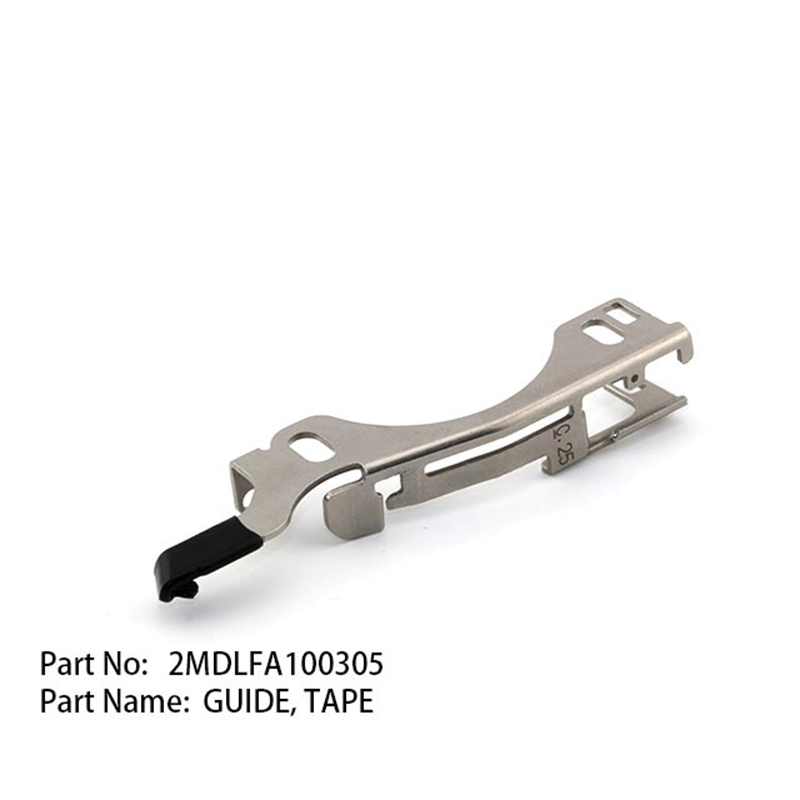
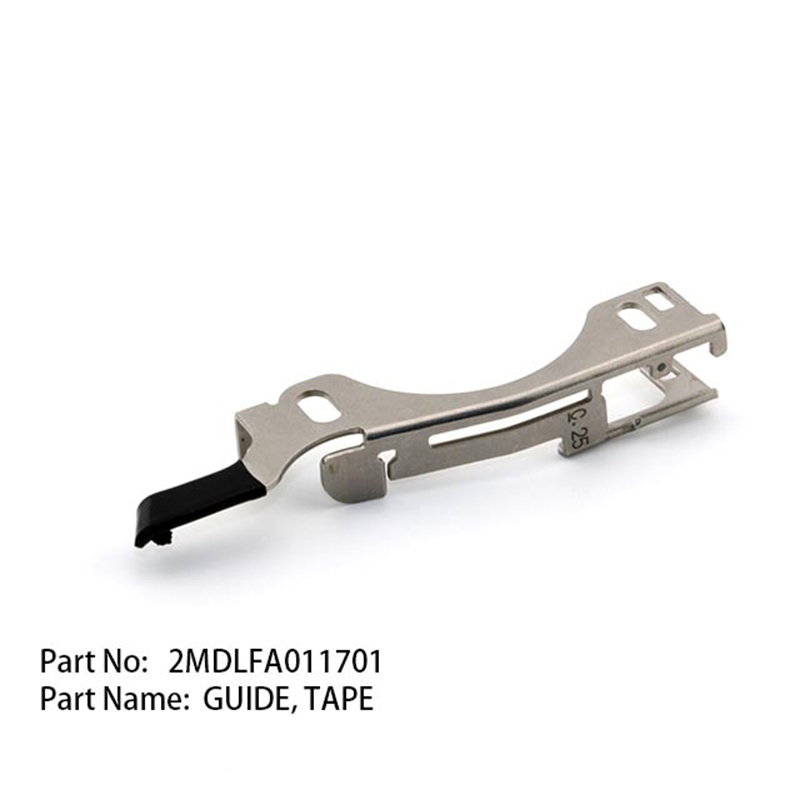
Feeder components include component guides, feed chutes, clamping devices, and spring supports. These components play an auxiliary role in component feeding. For example, feed chutes guide components along the correct path, preventing tilting or flipping; clamping devices maintain component stability, preventing misalignment caused by vibration or acceleration changes. These components work synergistically to significantly improve component positioning stability during feeding, thereby reducing misalignment and component drop.
3. Automatic Adjustment and Intelligent Recognition Reduce Abnormalities
Modern SMT feeders are typically equipped with automatic adjustment and intelligent recognition functions. The feeder can detect component status in real time, including position, quantity, and orientation. If an abnormality is detected, the system automatically adjusts the feeding speed or pauses operation to prevent continuous placement errors. This intelligent feedback mechanism not only reduces manual intervention but also significantly lowers the scrap rate caused by jamming or misalignment.
4. Precision Machining and Material Selection Enhance Durability
Feeders and their components are typically manufactured using high-precision machining and wear-resistant materials such as aluminum alloys, engineering plastics, or stainless steel. Precision machining ensures the flatness and dimensional consistency of the guide rails and feed channels, while wear-resistant materials reduce wear and loosening after long-term use. These designs allow components to maintain smooth movement during feeding, further reducing the incidence of jamming and misalignment.
5. Quick-change and maintenance design reduces downtime
To adapt to small-batch, multi-variety production, modern SMT feeders are equipped with a quick-change design and easy-to-maintain accessories. The quick-change device reduces human intervention when changing components or adjusting specifications, lowering the risk of jamming due to operational errors. Simultaneously, regular maintenance and cleaning of feeder accessories removes dust, impurities, and static electricity buildup, keeping the channels clear and ensuring long-term stable operation.
6. Collaborative optimization improves overall production efficiency
The collaborative design of the feeder with the pick-and-place machine, sensors, and control system ensures accurate component feeding throughout the placement process. The feeder precisely controls component position and movement speed, enabling the pick-and-place machine to accurately pick up and place components, reducing repetitive picking or correction actions, and lowering production line downtime and error rates. This overall optimization not only reduces component jamming and misalignment but also improves production efficiency and placement quality.
In summary, SMT feeders and accessories effectively reduce component jamming and misalignment through structural optimization, high-precision components, intelligent identification, wear-resistant materials, and rapid maintenance design. They not only ensure placement accuracy and production line stability but also provide an efficient and reliable solution for modern electronics manufacturing, playing a particularly important role in miniaturized, high-variety production environments.
1. Optimized Feeder Structure Reduces Jamming Risk
SMT feeders typically employ tape, tube, or reel designs. Each type of feeder undergoes meticulous structural optimization to accommodate electronic components of different sizes and shapes. The feeder's internal guide rails and transport channels are precisely designed to maintain a stable component position during movement, effectively reducing the probability of jamming. Especially for micro-components, the precise feed channels ensure smooth component feeding into the placement machine, avoiding blockages caused by excessive space or uneven friction.
2. High-Precision Components Enhance Component Positioning Stability
Feeder components include component guides, feed chutes, clamping devices, and spring supports. These components play an auxiliary role in component feeding. For example, feed chutes guide components along the correct path, preventing tilting or flipping; clamping devices maintain component stability, preventing misalignment caused by vibration or acceleration changes. These components work synergistically to significantly improve component positioning stability during feeding, thereby reducing misalignment and component drop.
3. Automatic Adjustment and Intelligent Recognition Reduce Abnormalities
Modern SMT feeders are typically equipped with automatic adjustment and intelligent recognition functions. The feeder can detect component status in real time, including position, quantity, and orientation. If an abnormality is detected, the system automatically adjusts the feeding speed or pauses operation to prevent continuous placement errors. This intelligent feedback mechanism not only reduces manual intervention but also significantly lowers the scrap rate caused by jamming or misalignment.
4. Precision Machining and Material Selection Enhance Durability
Feeders and their components are typically manufactured using high-precision machining and wear-resistant materials such as aluminum alloys, engineering plastics, or stainless steel. Precision machining ensures the flatness and dimensional consistency of the guide rails and feed channels, while wear-resistant materials reduce wear and loosening after long-term use. These designs allow components to maintain smooth movement during feeding, further reducing the incidence of jamming and misalignment.
5. Quick-change and maintenance design reduces downtime
To adapt to small-batch, multi-variety production, modern SMT feeders are equipped with a quick-change design and easy-to-maintain accessories. The quick-change device reduces human intervention when changing components or adjusting specifications, lowering the risk of jamming due to operational errors. Simultaneously, regular maintenance and cleaning of feeder accessories removes dust, impurities, and static electricity buildup, keeping the channels clear and ensuring long-term stable operation.
6. Collaborative optimization improves overall production efficiency
The collaborative design of the feeder with the pick-and-place machine, sensors, and control system ensures accurate component feeding throughout the placement process. The feeder precisely controls component position and movement speed, enabling the pick-and-place machine to accurately pick up and place components, reducing repetitive picking or correction actions, and lowering production line downtime and error rates. This overall optimization not only reduces component jamming and misalignment but also improves production efficiency and placement quality.
In summary, SMT feeders and accessories effectively reduce component jamming and misalignment through structural optimization, high-precision components, intelligent identification, wear-resistant materials, and rapid maintenance design. They not only ensure placement accuracy and production line stability but also provide an efficient and reliable solution for modern electronics manufacturing, playing a particularly important role in miniaturized, high-variety production environments.