


How can SMT feeders and accessories reduce the impact of feeding errors on placement quality and production yield?
Release Time : 2026-06-10
In the modern electronics manufacturing industry, pick-and-place machines are the core equipment for achieving high-speed, high-precision electronic component placement, and SMT feeders and accessories are a crucial component ensuring the stable operation of these machines. Feeders are responsible for accurately delivering electronic components from reels, tubes, or trays to the pick-up position. Errors such as offset, jamming, or missing components during feeding not only affect placement accuracy but can also lead to equipment downtime and product defects.
1. Improve Feeding Positioning Accuracy to Ensure Accurate Pick-up
The core task of the feeder is to accurately deliver components to the pick-up point. A high-precision feeding mechanism, through optimized gears, guide rails, and positioning structures, can effectively control the reel travel distance, ensuring that each component accurately stops at the set position. When the pick-and-place machine's nozzle picks up the component, it can stably obtain the component's center position, avoiding pick-up failures or placement offsets caused by positioning deviations, thereby improving placement accuracy.
2. Optimize Tape Conveyor Structure to Reduce Error Accumulation
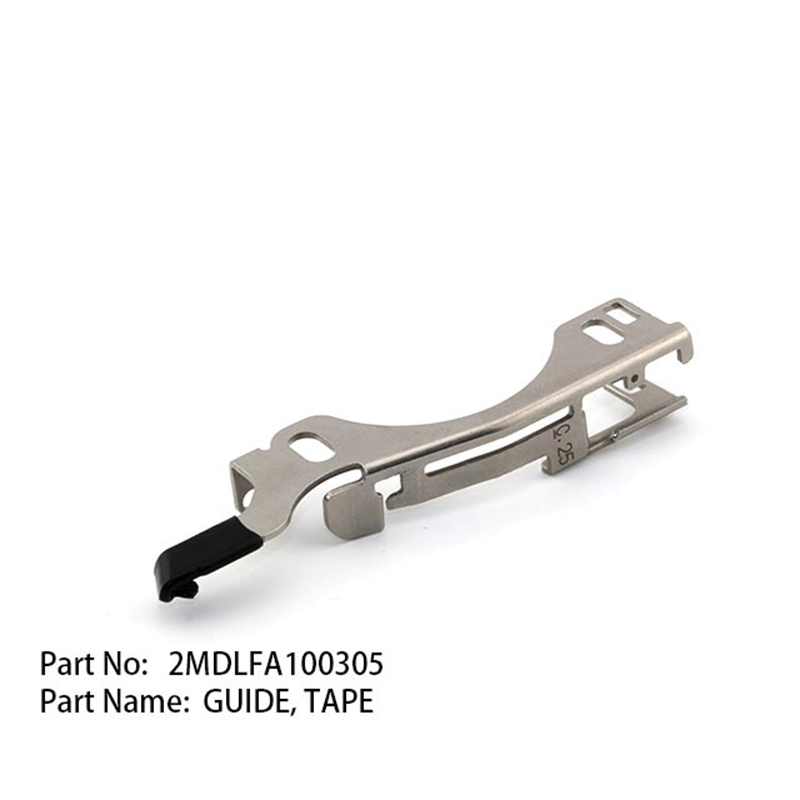
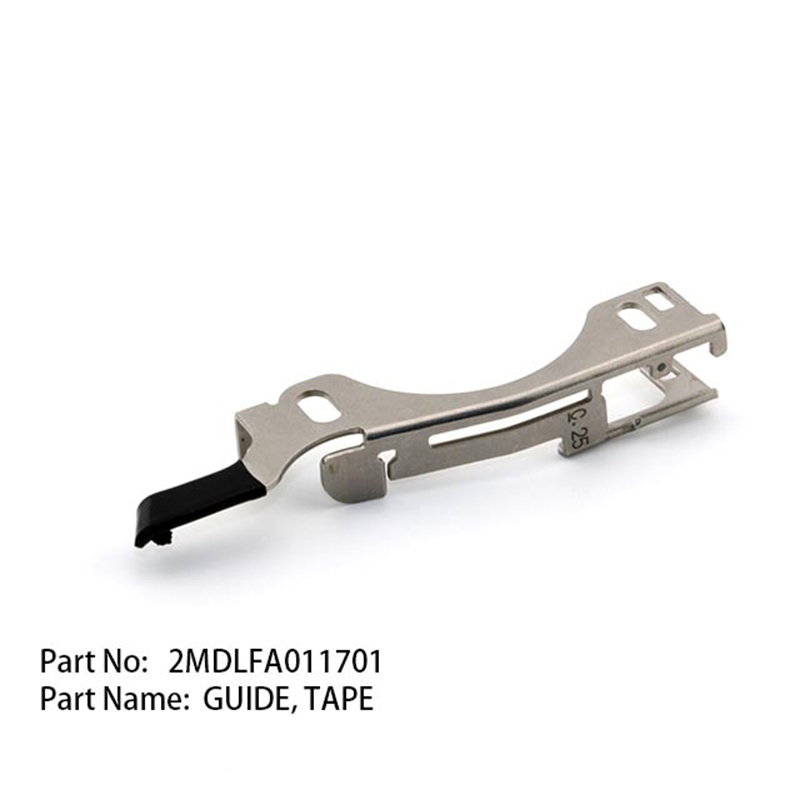
In high-speed production, the stability of the tape conveyor directly affects the feeding quality. Uneven tape tension or an unreasonable guide structure design can easily lead to feeding pitch errors. By adopting a precision guide mechanism and constant tension control design, the tape can maintain stable operation, reducing the accumulation of errors during continuous feeding, thereby ensuring the consistency and stability of component supply.
3. Reduce Vibration Impact and Improve Feeding Stability
High-speed chip mounters generate vibrations during operation. If the feeder structure lacks rigidity, it can easily cause slight displacement of component positions. By enhancing the overall structural strength of the feeder, optimizing the installation method, and adding vibration damping design, the impact of equipment vibration on feeding accuracy can be effectively reduced. A stable feeding state not only improves the success rate of component pickup but also reduces the risk of component drop and damage.
4. Intelligent Detection System Reduces Abnormal Feeding
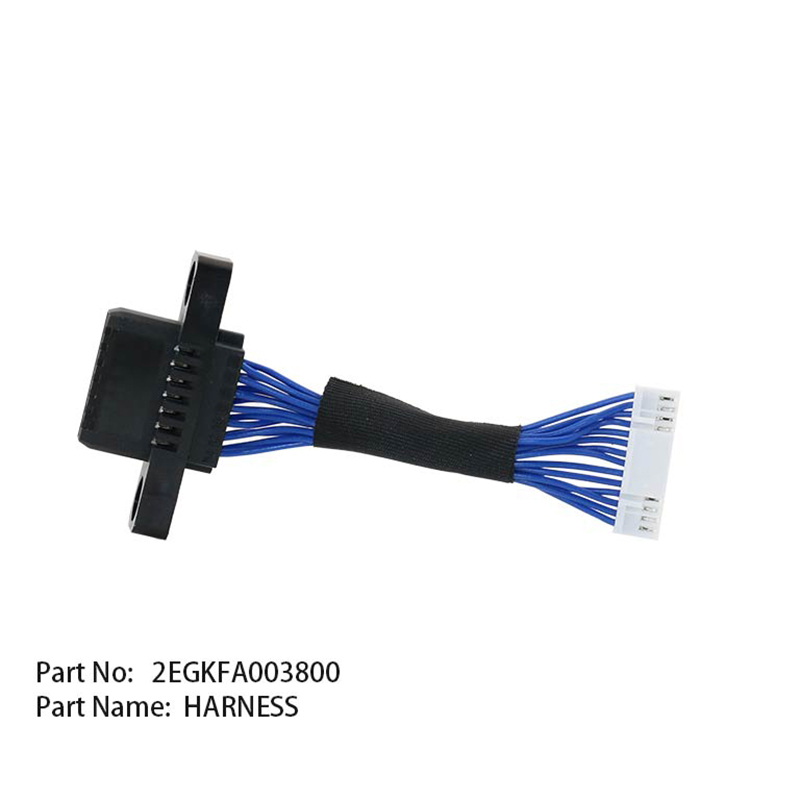
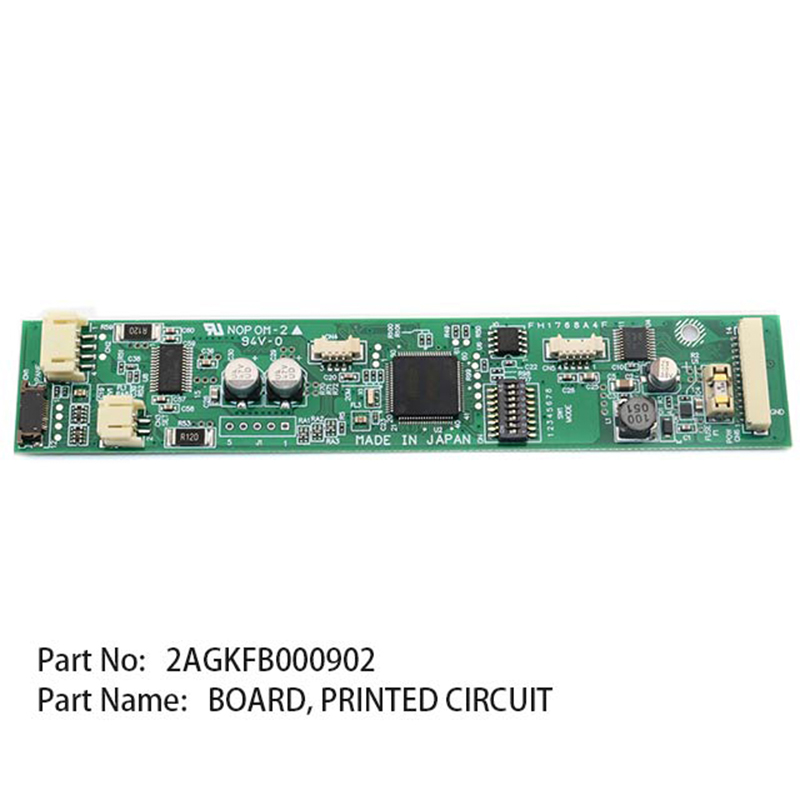
Modern feeders are typically equipped with sensors and intelligent detection functions that can monitor the feeding status in real time. When abnormalities such as material shortages, jams, or tape misalignment occur, the system can promptly issue warnings or automatically stop operation to prevent incorrect components from entering the placement stage. By quickly detecting and handling anomalies, the generation of defective products can be effectively reduced, improving overall production yield.
5. Improved Component Precision and Extended Stable Operating Cycle
Gears, pressure rollers, guide pins, and other components in the feeder will experience wear during long-term operation. If the precision of these components decreases, the feeding error will also increase. Therefore, using high-wear-resistant materials and high-precision machining processes to manufacture key components can maintain long-term stable feeding performance and reduce the problem of precision degradation caused by component aging.
6. Enhanced Automation Management
With the development of intelligent manufacturing, feeders are increasingly integrated with MES systems and production management systems. By recording feeding data in real time, analyzing anomalies, and predicting maintenance needs, enterprises can optimize the production process in a timely manner. Automated management not only reduces manual intervention but also continuously improves equipment operating efficiency and product quality stability.
In summary, SMT feeders and accessories have effectively reduced the impact of feeding errors on placement quality and production yield through various measures, including improving positioning accuracy, optimizing conveyor structure, reducing vibration effects, applying intelligent detection systems, and improving the quality of key components. As electronic manufacturing moves towards higher precision and efficiency, advanced feeding technologies will play an increasingly important role in ensuring placement quality and enhancing production competitiveness.
1. Improve Feeding Positioning Accuracy to Ensure Accurate Pick-up
The core task of the feeder is to accurately deliver components to the pick-up point. A high-precision feeding mechanism, through optimized gears, guide rails, and positioning structures, can effectively control the reel travel distance, ensuring that each component accurately stops at the set position. When the pick-and-place machine's nozzle picks up the component, it can stably obtain the component's center position, avoiding pick-up failures or placement offsets caused by positioning deviations, thereby improving placement accuracy.
2. Optimize Tape Conveyor Structure to Reduce Error Accumulation
In high-speed production, the stability of the tape conveyor directly affects the feeding quality. Uneven tape tension or an unreasonable guide structure design can easily lead to feeding pitch errors. By adopting a precision guide mechanism and constant tension control design, the tape can maintain stable operation, reducing the accumulation of errors during continuous feeding, thereby ensuring the consistency and stability of component supply.
3. Reduce Vibration Impact and Improve Feeding Stability
High-speed chip mounters generate vibrations during operation. If the feeder structure lacks rigidity, it can easily cause slight displacement of component positions. By enhancing the overall structural strength of the feeder, optimizing the installation method, and adding vibration damping design, the impact of equipment vibration on feeding accuracy can be effectively reduced. A stable feeding state not only improves the success rate of component pickup but also reduces the risk of component drop and damage.
4. Intelligent Detection System Reduces Abnormal Feeding
Modern feeders are typically equipped with sensors and intelligent detection functions that can monitor the feeding status in real time. When abnormalities such as material shortages, jams, or tape misalignment occur, the system can promptly issue warnings or automatically stop operation to prevent incorrect components from entering the placement stage. By quickly detecting and handling anomalies, the generation of defective products can be effectively reduced, improving overall production yield.
5. Improved Component Precision and Extended Stable Operating Cycle
Gears, pressure rollers, guide pins, and other components in the feeder will experience wear during long-term operation. If the precision of these components decreases, the feeding error will also increase. Therefore, using high-wear-resistant materials and high-precision machining processes to manufacture key components can maintain long-term stable feeding performance and reduce the problem of precision degradation caused by component aging.
6. Enhanced Automation Management
With the development of intelligent manufacturing, feeders are increasingly integrated with MES systems and production management systems. By recording feeding data in real time, analyzing anomalies, and predicting maintenance needs, enterprises can optimize the production process in a timely manner. Automated management not only reduces manual intervention but also continuously improves equipment operating efficiency and product quality stability.
In summary, SMT feeders and accessories have effectively reduced the impact of feeding errors on placement quality and production yield through various measures, including improving positioning accuracy, optimizing conveyor structure, reducing vibration effects, applying intelligent detection systems, and improving the quality of key components. As electronic manufacturing moves towards higher precision and efficiency, advanced feeding technologies will play an increasingly important role in ensuring placement quality and enhancing production competitiveness.