


How does a pressure cover maintain tension on the component cover tape?
Release Time : 2026-07-22
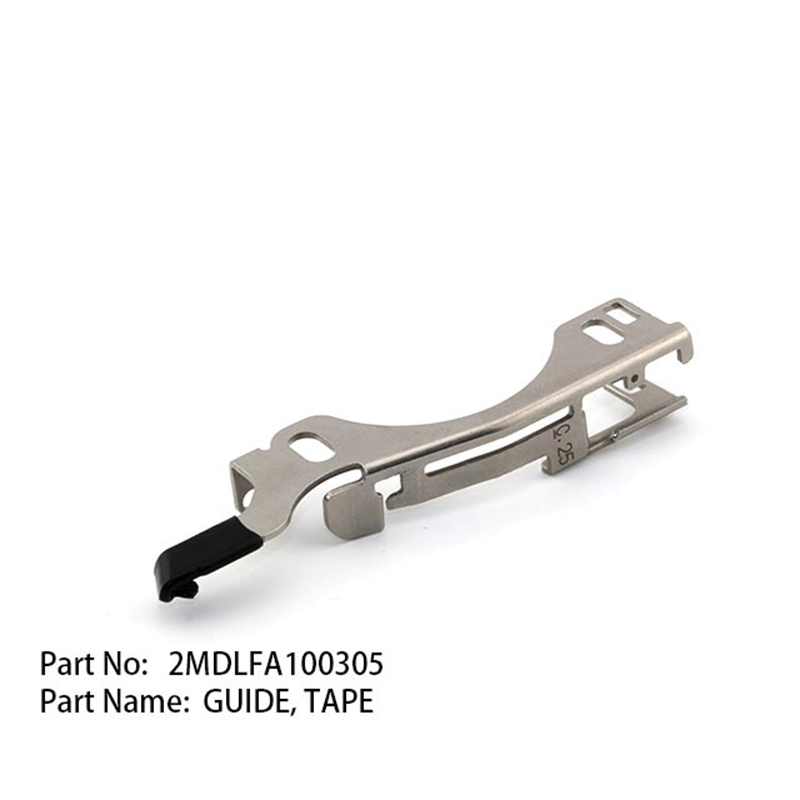
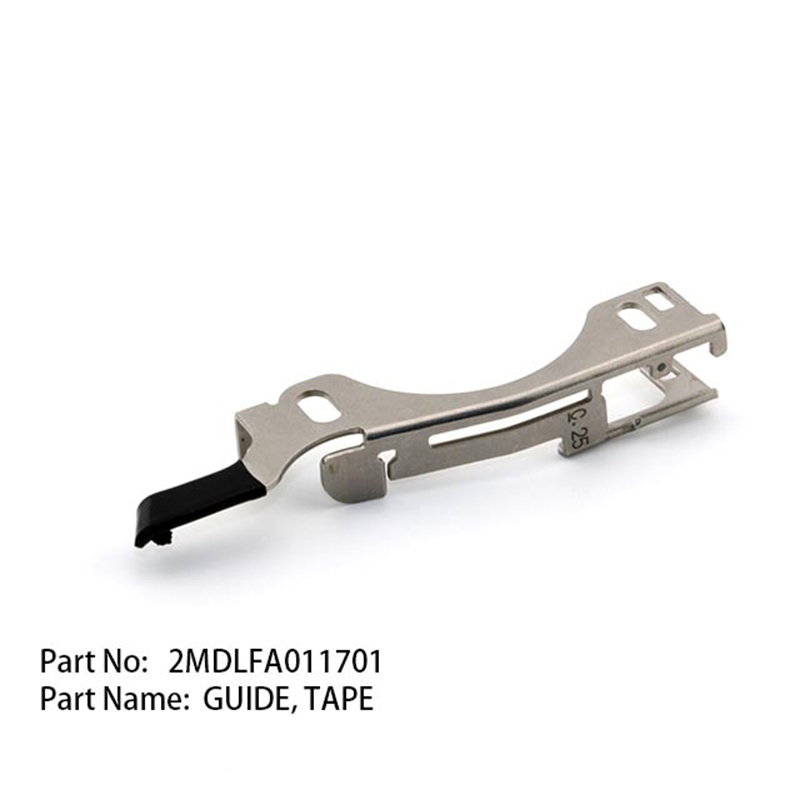
In the highly precise environment of Surface Mount Technology (SMT) assembly, the reliability of pick-and-place operations is fundamentally dependent on the consistent performance of the tape feeder. A critical, yet often overlooked, component within this system is the pressure cover. This specialized accessory serves a vital mechanical function by maintaining optimal tension on the component cover tape, ensuring that electronic components are presented accurately and consistently for the placement nozzle.
The primary mechanism through which a pressure cover maintains tension involves the application of calibrated downward force. When an SMT feeder is loaded with a reel of components, the cover tape acts as a protective lid over the pockets containing the parts. The pressure cover is designed to press firmly against this cover tape, creating a controlled friction interface. This friction is essential because it prevents the cover tape from lifting, peeling back prematurely, or shifting out of alignment as the feeder advances the carrier tape during the indexing process. Without this stabilizing force, the cover tape could flap or bunch up, leading to catastrophic feeding errors and machine stoppages.
Furthermore, the pressure cover works in tandem with the feeder’s internal take-up mechanism. As the feeder pulls the carrier tape forward to present the next component, the cover tape must be peeled back at a precise angle and with consistent resistance. The pressure cover ensures that this peeling action occurs smoothly and uniformly across the entire width of the tape. By maintaining even tension, it prevents the cover tape from tearing or stretching, which could otherwise cause misalignment of the components within their pockets. This uniform tension is particularly crucial when dealing with very small components, such as 0201 or 01005 packages, where even a fraction of a millimeter of deviation can result in a failed pick-up.
The design of the pressure cover also incorporates features to accommodate variations in tape thickness and material properties. Many modern pressure covers utilize spring-loaded mechanisms or adjustable tension screws, allowing operators to fine-tune the amount of downward force applied. This adjustability is necessary because different manufacturers use cover tapes with varying adhesive strengths and tensile properties. A pressure cover that is too loose may fail to peel the tape cleanly, leaving adhesive residue on the feeder or exposing components prematurely. Conversely, excessive pressure can cause the cover tape to stretch or break, disrupting the feeding cycle. The ideal tension strikes a perfect balance, ensuring reliable peeling without damaging the tape.
Material selection for pressure covers is another critical factor in maintaining proper tension. These components are typically manufactured from durable, wear-resistant plastics or metals that can withstand continuous mechanical stress without deforming. The contact surface that interfaces with the cover tape is often designed with a specific texture or coated with a low-friction material to ensure smooth movement while still providing adequate grip. Over time, wear on this contact surface can degrade the tension characteristics, which is why regular inspection and maintenance of pressure covers are essential for sustained feeder performance.
In addition to mechanical tension, the pressure cover also plays a role in electrostatic discharge (ESD) protection. Many pressure covers are manufactured from ESD-safe materials to prevent the buildup of static electricity during the peeling process. Static charge can attract dust and debris to the components or cause sensitive electronic parts to malfunction. By maintaining both mechanical tension and electrostatic safety, the pressure cover contributes to the overall quality and reliability of the SMT assembly process.
Ultimately, the pressure cover is a deceptively simple component that performs a highly sophisticated function. Its ability to maintain precise tension on the component cover tape is the foundation upon which reliable automated assembly is built. By ensuring consistent peeling, preventing tape misalignment, and accommodating material variations, the pressure cover enables SMT feeders to operate at high speeds with minimal downtime. Understanding the mechanics of this component allows engineers and operators to optimize feeder settings, reduce feeding errors, and maintain the high throughput that modern electronics manufacturing demands. Proper maintenance and timely replacement of worn pressure covers are therefore not merely routine tasks, but essential practices for achieving peak production efficiency.
The primary mechanism through which a pressure cover maintains tension involves the application of calibrated downward force. When an SMT feeder is loaded with a reel of components, the cover tape acts as a protective lid over the pockets containing the parts. The pressure cover is designed to press firmly against this cover tape, creating a controlled friction interface. This friction is essential because it prevents the cover tape from lifting, peeling back prematurely, or shifting out of alignment as the feeder advances the carrier tape during the indexing process. Without this stabilizing force, the cover tape could flap or bunch up, leading to catastrophic feeding errors and machine stoppages.
Furthermore, the pressure cover works in tandem with the feeder’s internal take-up mechanism. As the feeder pulls the carrier tape forward to present the next component, the cover tape must be peeled back at a precise angle and with consistent resistance. The pressure cover ensures that this peeling action occurs smoothly and uniformly across the entire width of the tape. By maintaining even tension, it prevents the cover tape from tearing or stretching, which could otherwise cause misalignment of the components within their pockets. This uniform tension is particularly crucial when dealing with very small components, such as 0201 or 01005 packages, where even a fraction of a millimeter of deviation can result in a failed pick-up.
The design of the pressure cover also incorporates features to accommodate variations in tape thickness and material properties. Many modern pressure covers utilize spring-loaded mechanisms or adjustable tension screws, allowing operators to fine-tune the amount of downward force applied. This adjustability is necessary because different manufacturers use cover tapes with varying adhesive strengths and tensile properties. A pressure cover that is too loose may fail to peel the tape cleanly, leaving adhesive residue on the feeder or exposing components prematurely. Conversely, excessive pressure can cause the cover tape to stretch or break, disrupting the feeding cycle. The ideal tension strikes a perfect balance, ensuring reliable peeling without damaging the tape.
Material selection for pressure covers is another critical factor in maintaining proper tension. These components are typically manufactured from durable, wear-resistant plastics or metals that can withstand continuous mechanical stress without deforming. The contact surface that interfaces with the cover tape is often designed with a specific texture or coated with a low-friction material to ensure smooth movement while still providing adequate grip. Over time, wear on this contact surface can degrade the tension characteristics, which is why regular inspection and maintenance of pressure covers are essential for sustained feeder performance.
In addition to mechanical tension, the pressure cover also plays a role in electrostatic discharge (ESD) protection. Many pressure covers are manufactured from ESD-safe materials to prevent the buildup of static electricity during the peeling process. Static charge can attract dust and debris to the components or cause sensitive electronic parts to malfunction. By maintaining both mechanical tension and electrostatic safety, the pressure cover contributes to the overall quality and reliability of the SMT assembly process.
Ultimately, the pressure cover is a deceptively simple component that performs a highly sophisticated function. Its ability to maintain precise tension on the component cover tape is the foundation upon which reliable automated assembly is built. By ensuring consistent peeling, preventing tape misalignment, and accommodating material variations, the pressure cover enables SMT feeders to operate at high speeds with minimal downtime. Understanding the mechanics of this component allows engineers and operators to optimize feeder settings, reduce feeding errors, and maintain the high throughput that modern electronics manufacturing demands. Proper maintenance and timely replacement of worn pressure covers are therefore not merely routine tasks, but essential practices for achieving peak production efficiency.