


How do SMT feeders and accessories become the "invisible heart" behind high-speed pick-and-place machines?
Release Time : 2026-02-27
In the modern electronics manufacturing services sector, surface mount technology (SMT) production lines are renowned for their astonishing speed and precision. When SMT feeders and accessories accurately place tens of thousands of tiny components per minute, attention is often focused on the high-speed robotic arm and vision system. However, behind this precision machine lies a frequently overlooked yet crucial component that continuously supplies the machine with "ammunition," directly determining production continuity, yield, and even the reliability of the final product.
1. Precise Feeding: The Lifeline Under High-Speed Operation
The core mission of the feeder seems simple—accurately delivering components from the tape reel to the pick-up position. However, in the context of high-speed pick-and-place machines, this action is given extremely high technical requirements. Modern pick-and-place machines have extremely fast placement head movements, with pick-up cycles often measured in milliseconds. The feeder must complete a series of actions, including tape feeding, positioning, and cap tape peeling, within an extremely short time, ensuring that each component is positioned at a precise coordinate point, with errors typically controlled to ±0.1 mm or even less.
2. Component Coordination: A Micrometer-Level Mechanical Dance
The feeder does not operate in isolation; its performance highly depends on the coordinated action of a series of precision components. From drive gears and ratchet pawls to tape caps and blades, wear or tolerance accumulation in each component amplifies the final feeding error. For example, the sharpness of the ratchet pawl determines whether it can firmly grip the carrier tape hole without slipping; the angle of the cap tape peeling blade affects whether components will be damaged or static electricity generated during high-speed pulling.
3. Intelligent Evolution: From Passive Execution to Active Sensing
With the advancement of Industry 4.0, traditional mechanical feeders are transforming into intelligent systems, and their core functions are becoming more powerful. The new generation of intelligent feeders incorporates sensors and communication modules, enabling real-time monitoring of remaining material level, tape tension, and even tape splicing status. They are no longer merely passively waiting for machine commands, but can proactively send data to the central control system, providing early warnings of material shortages or reporting abnormal vibrations.
In the grand symphony of the SMT production line, the high-frequency movement of the pick-and-place machines is certainly loud, but the smooth operation of SMT feeders and accessories is the indispensable foundation. With micron-level precision, steel-like endurance, and ever-increasing intelligence, they silently withstand high-intensity workloads, ensuring a continuous supply of components. Without this powerful and stable "invisible heart," even the most advanced pick-and-place machines cannot achieve efficient production. Therefore, paying attention to the selection, maintenance, and parts management of feeders is not only key to improving overall equipment efficiency (OEE), but also an essential path for modern electronics manufacturing enterprises to build core competitiveness.
1. Precise Feeding: The Lifeline Under High-Speed Operation
The core mission of the feeder seems simple—accurately delivering components from the tape reel to the pick-up position. However, in the context of high-speed pick-and-place machines, this action is given extremely high technical requirements. Modern pick-and-place machines have extremely fast placement head movements, with pick-up cycles often measured in milliseconds. The feeder must complete a series of actions, including tape feeding, positioning, and cap tape peeling, within an extremely short time, ensuring that each component is positioned at a precise coordinate point, with errors typically controlled to ±0.1 mm or even less.
2. Component Coordination: A Micrometer-Level Mechanical Dance
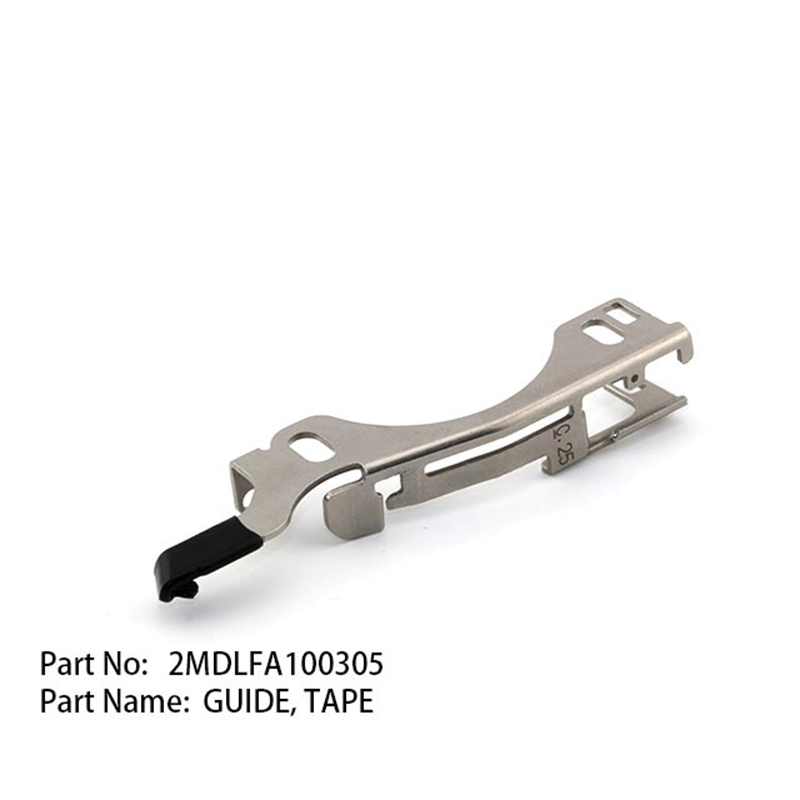
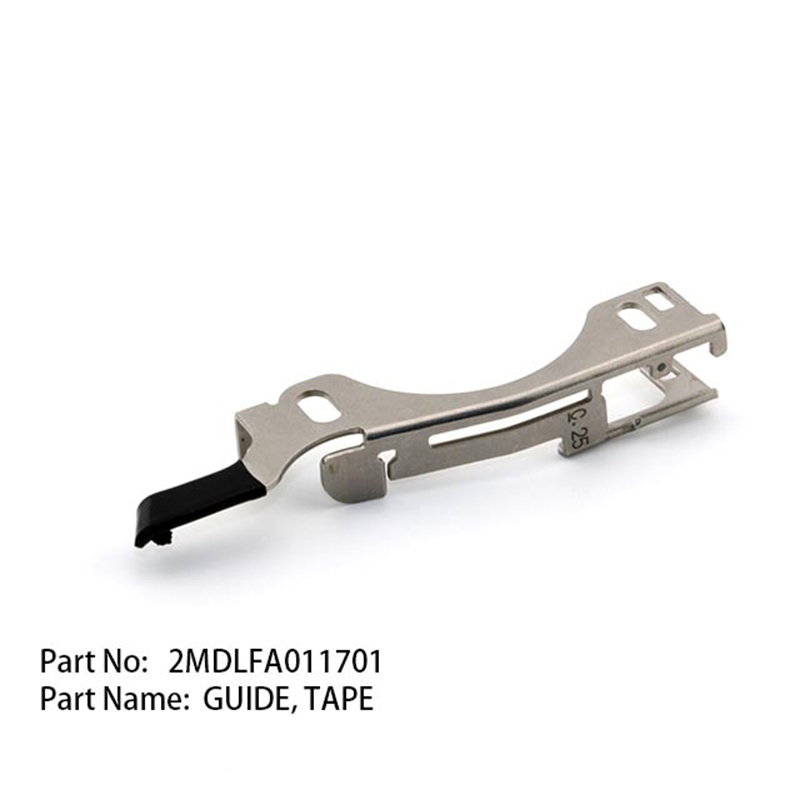
The feeder does not operate in isolation; its performance highly depends on the coordinated action of a series of precision components. From drive gears and ratchet pawls to tape caps and blades, wear or tolerance accumulation in each component amplifies the final feeding error. For example, the sharpness of the ratchet pawl determines whether it can firmly grip the carrier tape hole without slipping; the angle of the cap tape peeling blade affects whether components will be damaged or static electricity generated during high-speed pulling.
3. Intelligent Evolution: From Passive Execution to Active Sensing
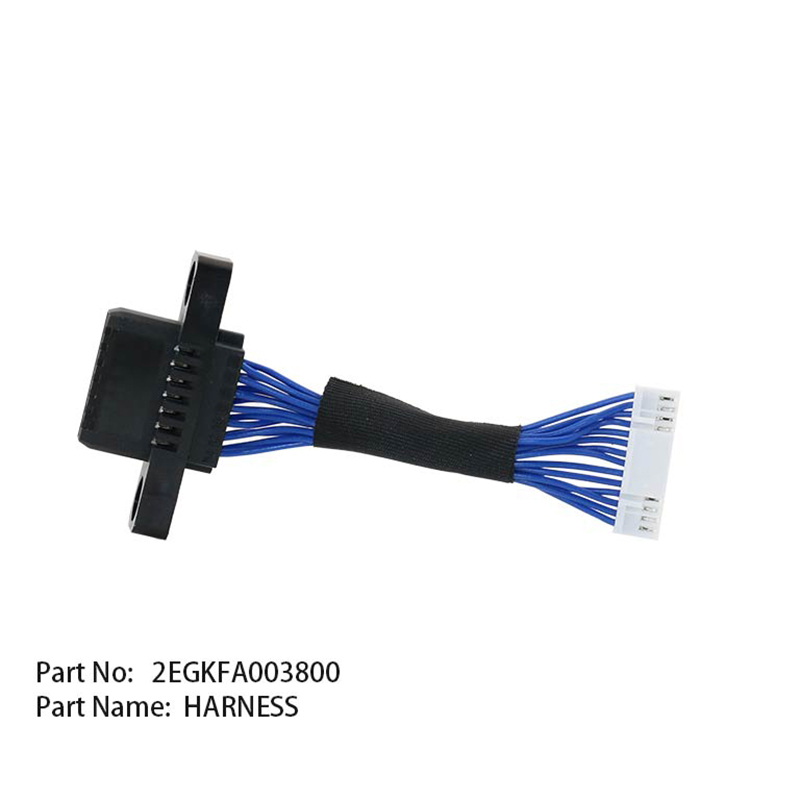
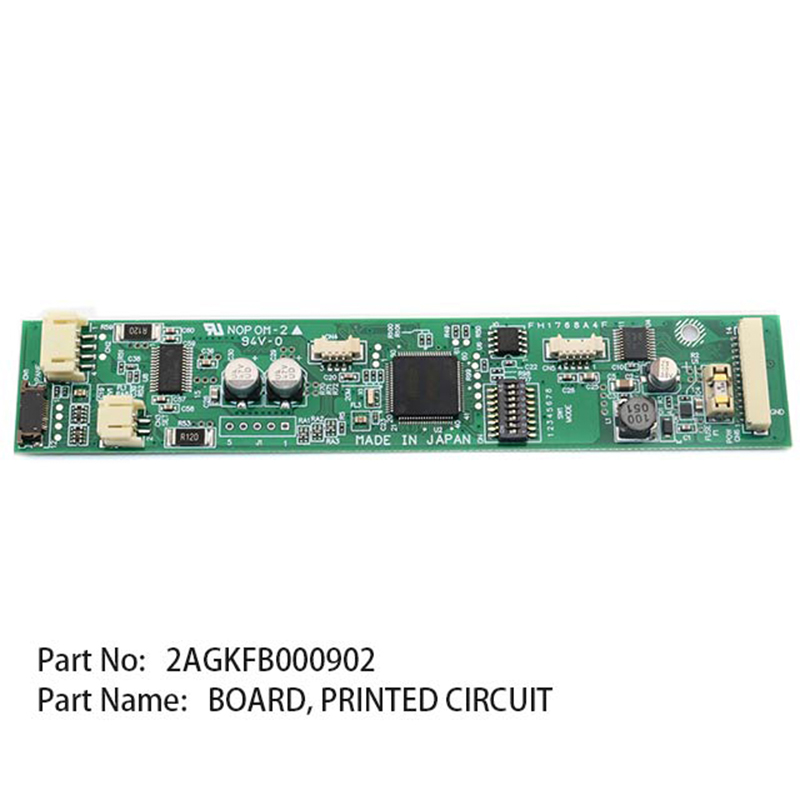
With the advancement of Industry 4.0, traditional mechanical feeders are transforming into intelligent systems, and their core functions are becoming more powerful. The new generation of intelligent feeders incorporates sensors and communication modules, enabling real-time monitoring of remaining material level, tape tension, and even tape splicing status. They are no longer merely passively waiting for machine commands, but can proactively send data to the central control system, providing early warnings of material shortages or reporting abnormal vibrations.
In the grand symphony of the SMT production line, the high-frequency movement of the pick-and-place machines is certainly loud, but the smooth operation of SMT feeders and accessories is the indispensable foundation. With micron-level precision, steel-like endurance, and ever-increasing intelligence, they silently withstand high-intensity workloads, ensuring a continuous supply of components. Without this powerful and stable "invisible heart," even the most advanced pick-and-place machines cannot achieve efficient production. Therefore, paying attention to the selection, maintenance, and parts management of feeders is not only key to improving overall equipment efficiency (OEE), but also an essential path for modern electronics manufacturing enterprises to build core competitiveness.