


How to ensure stable material supply when the SMT pick and place machine feeder is running at high speed?
Release Time : 2025-12-19
The stability of material feeding in SMT pick-and-place machine feeders during high-speed operation is a core element in ensuring accurate and efficient placement of electronic components. Its stability depends not only on the feeder's own mechanical precision and material properties, but also on deep collaboration with the pick-and-place machine's motion system and vision positioning system. Modern feeders, through the integration of modular design, intelligent algorithms, and precision sensing technology, have constructed a multi-layered stability assurance system.
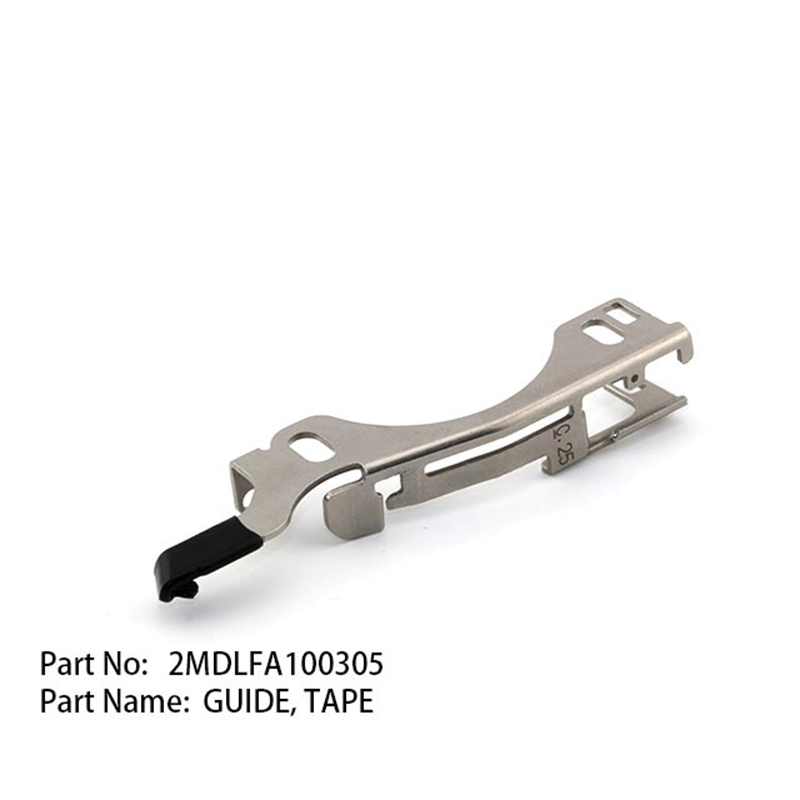
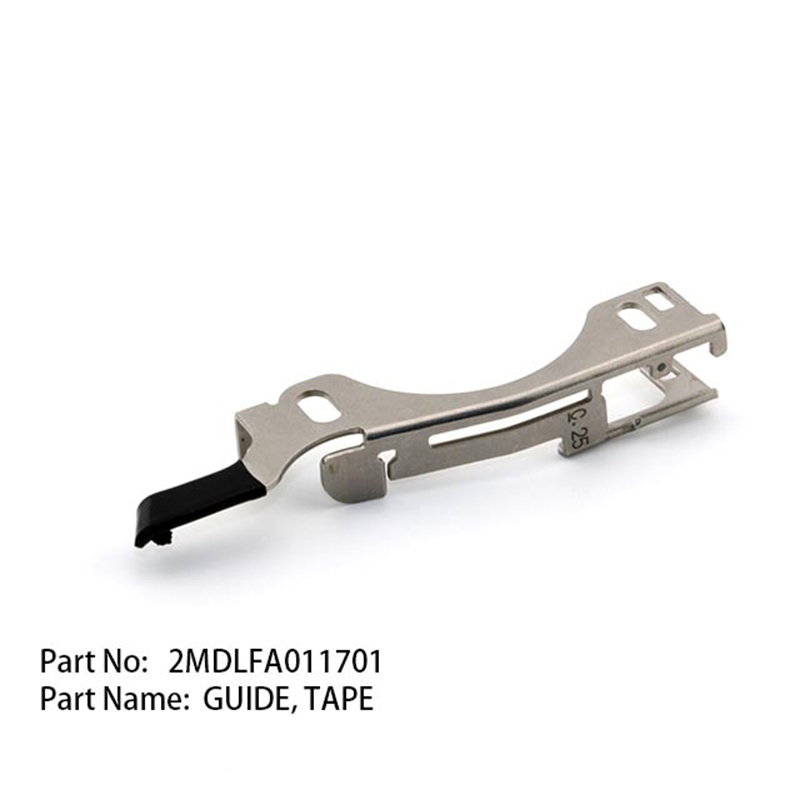
The core hardware design of the feeder is the foundation of its stability. Mainstream feeders employ high-rigidity metal frames and precision gear transmission systems to ensure that mechanical vibration amplitude is controlled within the micrometer level during high-speed stepping. For example, tape-and-reel feeders use servo motors to drive the feeding gears, combined with high-precision encoders to provide real-time position feedback, forming a closed-loop control system to avoid feeding deviations caused by motor step loss or gear wear. For micro-components (such as 0201 packages), feeders optimize the tape tension control mechanism, using a combination of springs and dampers to maintain constant tension in the tape during acceleration/deceleration, preventing components from being thrown out due to inertia or jamming.
Dynamic adjustment of feeding parameters is crucial for handling high-speed operation. The feeder needs to adjust its stepping distance, pick-up height, and peeling force in real time based on component size, tape material, and pick-and-place machine speed. For example, for thin tapes, the feeder will reduce the cutting depth of the peeling blade to avoid tearing the tape; for high-density components, it will shorten the stepping interval to reduce idle travel time. Some high-end feeders also have adaptive learning capabilities, automatically generating an optimal parameter library by recording the feeding parameters of different components, and dynamically correcting them during operation based on actual results. For example, it can fine-tune subsequent feeding positions based on component offset data fed back by the vision system.
The coordinated control of the feeder and the pick-and-place machine is the core of stability. During high-speed operation, the feeder needs to establish real-time data interaction with the motion control system and vision positioning system of the pick-and-place machine. For example, when the placement head moves at a speed of several meters per second, the feeder needs to push the component to the pick-up position half a beat in advance and confirm the component's positioning status through sensors. If the vision system detects a component angular deviation, the feeder will work with the pick-and-place machine to adjust the next feeding posture, forming a closed-loop process of "feeding-recognition-compensation". This collaborative mechanism is similar to a relay race; the actions of the feeder and the pick-and-place machine must be precise to the millisecond level to avoid nozzle malfunctions or component misalignment due to time differences.
The modular design of the feeding system further enhances stability. Modern feeders employ standardized interfaces and multi-track parallel processing technology, supporting rapid switching between various packaging formats such as tape, tray, and bulk. For example, in automotive electronics production, the same pick-and-place machine may need to handle BGA chips and large connectors simultaneously. Through modular design, the feeder can quickly replace different feeding modules and ensures that feeding on each track does not interfere with each other through independent drive systems. Furthermore, the feeder is equipped with intelligent monitoring functions, using pressure sensors to detect the remaining tape level in real time. When the tape level is insufficient, an alarm is automatically triggered to prevent downtime due to material shortages.
Environmental adaptability is also a crucial consideration for feeder stability. In high-temperature or high-humidity environments, the feeder needs to prevent component oxidation or tape moisture absorption through material optimization and sealing design. For example, some feeders employ anti-static coatings on critical areas to prevent component contamination caused by static electricity attracting dust. Simultaneously, heating modules control the tape temperature to prevent tape deformation in humid environments. For vibration-sensitive scenarios, feeders are equipped with shock-absorbing devices to isolate the impact of external vibrations on feeding accuracy.
Long-term operational stability relies on preventative maintenance. Vulnerable components such as gears and springs in the feeder require regular replacement, and sensors monitoring the wear condition of these components can provide early warnings of potential failures. For instance, vibration sensors detect gear meshing frequency, prompting gear replacement when the frequency is abnormal; pressure sensors monitor spring force decay, prompting spring replacement when the force falls below a threshold. Furthermore, feeder cleaning and maintenance are crucial; residual solder paste or foreign matter can cause feeding delays, thus requiring regular ultrasonic cleaning of precision components.
The stability of the feeder ultimately serves overall production efficiency. In high-speed placement scenarios, the feeder rejection rate (component waste due to feeding errors) must be controlled at an extremely low level. Through comprehensive improvements in hardware precision, parameter optimization, collaborative control, and environmental adaptability, modern feeders can stabilize the rejection rate below 0.3%, ensuring that the pick-and-place machine maintains high yield and low loss even at placement speeds of hundreds of thousands of points per hour. This stability is not only a technological breakthrough but also the cornerstone for the electronics manufacturing industry's development towards higher precision, higher efficiency, and higher reliability.